The Scottish Highlands: a journey through Britain's wildest landscape
Routepilot Team · 30 Jun 2026 · 4 min read
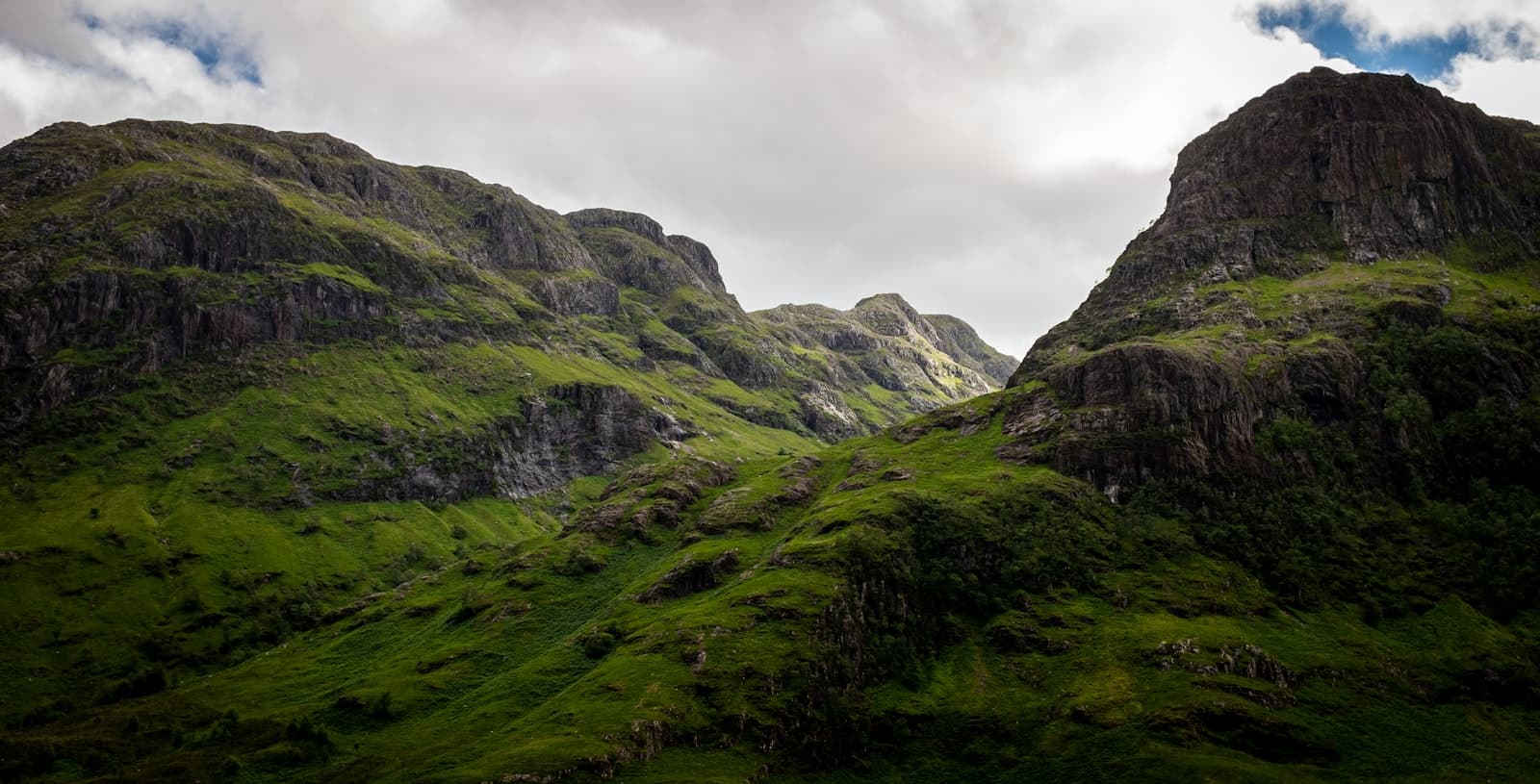
Few places in Europe feel as elemental as the Scottish Highlands. Glens open out beneath cloud-wrapped peaks, single-track roads thread past mirror-still lochs, and the light shifts from silver to gold in the space of an afternoon. This is the wildest, emptiest, most cinematic corner of Britain, and it rewards travellers who come ready to slow down and let the weather write part of the itinerary.
Why go
The Highlands pack an extraordinary range of scenery into a compact area: the brooding bowl of Glencoe, the sea-cliffs and pinnacles of the Isle of Skye, the dark waters of Loch Ness, and the rounded, ancient Cairngorms. Add castles on rocky promontories, world-famous whisky distilleries, and some of the darkest night skies in Europe, and you have a destination that works equally well for a road trip, a hiking holiday, or a slow week of lochside reading.
Best time to visit
Late spring and early autumn are the sweet spot. May and June bring long days, fresh greenery and a better chance of dry spells, while September and early October turn the hillsides bronze and thin out the crowds. July and August are warmest and busiest, but they are also peak season for midges, the tiny biting insects that swarm on still, damp evenings between roughly June and August. Pack repellent and you will be fine. Winter is short on daylight but spectacular under snow, with the trade-off that mountain roads and trails can be genuinely hazardous.
The Highlands have a saying: there is no bad weather, only the wrong clothing. Plan for four seasons in a day and you will rarely be caught out.
Top things to see and do
Glencoe and Fort William
Glencoe is the Highlands at their most dramatic, a steep-sided glen heavy with history and hillwalking routes. Nearby Fort William sits at the foot of Ben Nevis, the highest mountain in the British Isles, and serves as the launchpad for the West Highland Way and the Jacobite steam train over the Glenfinnan Viaduct, familiar to many from film and television.
Isle of Skye
Skye earns its reputation. The Old Man of Storr, the ridged plateau of the Quiraing and the clear pools below the Cuillin known as the Fairy Pools are all justly famous. Because they are popular, arrive early or late in the day for both better light and fewer people, and base yourself in or near Portree, the island's main town.
Loch Ness, Inverness and the Cairngorms
Inverness is the friendly capital of the Highlands and a natural hub. From here you can follow Loch Ness to the ruins of Urquhart Castle, or head south into Cairngorms National Park for forests, ospreys, reindeer and the outdoor-sports town of Aviemore. Speyside, to the east, is the heartland of single malt whisky.
The North Coast 500
If you have a week or more and a car, the North Coast 500 loops from Inverness around the far north through some of the most remote scenery in the country. It is glorious, but it is long, and the single-track roads ask for patience and good driving etiquette.
Practical tips
Getting there and around
Inverness has its own airport; many visitors instead fly into Glasgow or Edinburgh and drive north. The West Highland Line from Glasgow to Mallaig is one of the great rail journeys, and the Caledonian Sleeper runs overnight from London. That said, a car gives you by far the most freedom, since public transport thins out quickly once you leave the main towns. On single-track roads, use the passing places to let faster traffic by, and never park in them.
Budget feel
The Highlands sit at the mid-to-higher end for the UK. Bed and breakfasts and self-catering cottages are the classic stays, fuel is pricier in remote areas, and good-value hostels and bothies exist for walkers. Costs climb sharply in peak summer, so book accommodation well ahead.
Etiquette and safety
Scotland has a generous right of responsible access, summed up in the Scottish Outdoor Access Code: you can roam widely, but you leave no trace, keep dogs under control around livestock and respect working estates. In the hills, the weather can change fast and mountain rescue is a serious matter, so check the forecast, carry layers and tell someone your route.
Where to base yourself
Inverness for the north and Loch Ness, Fort William for the west and the mountains, Portree for Skye, and Aviemore for the Cairngorms. Many trips combine two of these with a scenic drive between them.
Plan it with Routepilot
The Highlands reward planning, precisely because the distances are long and the weather is unpredictable. A few quick documents take the friction out of it.
- Day-by-Day Itinerary maps a realistic route between glens and lochs, clustering each day so you are not doubling back, with a wet-weather backup built into every day.
- Packing List is close to essential here: it tailors layers, waterproofs and walking kit to your dates and planned activities, so a sudden squall does not end your day.
- Travel Budget gives an honest picture of fuel, stays and distilleries before you commit.
- Local Tips points you to the right village pubs, viewpoints and quieter trails. For a full North Coast 500 loop, Luxury/Research can plan the whole multi-stop route in depth.
Every plan names real places, gives honest price ranges and links venues so you can check them yourself, and credits are only ever used at the final Review and Generate step. Browse the full set on the services page, or read more guides in the journal.