Venice, Italy: a guide to the floating city that still surprises
Routepilot Team · 30 Jun 2026 · 4 min read
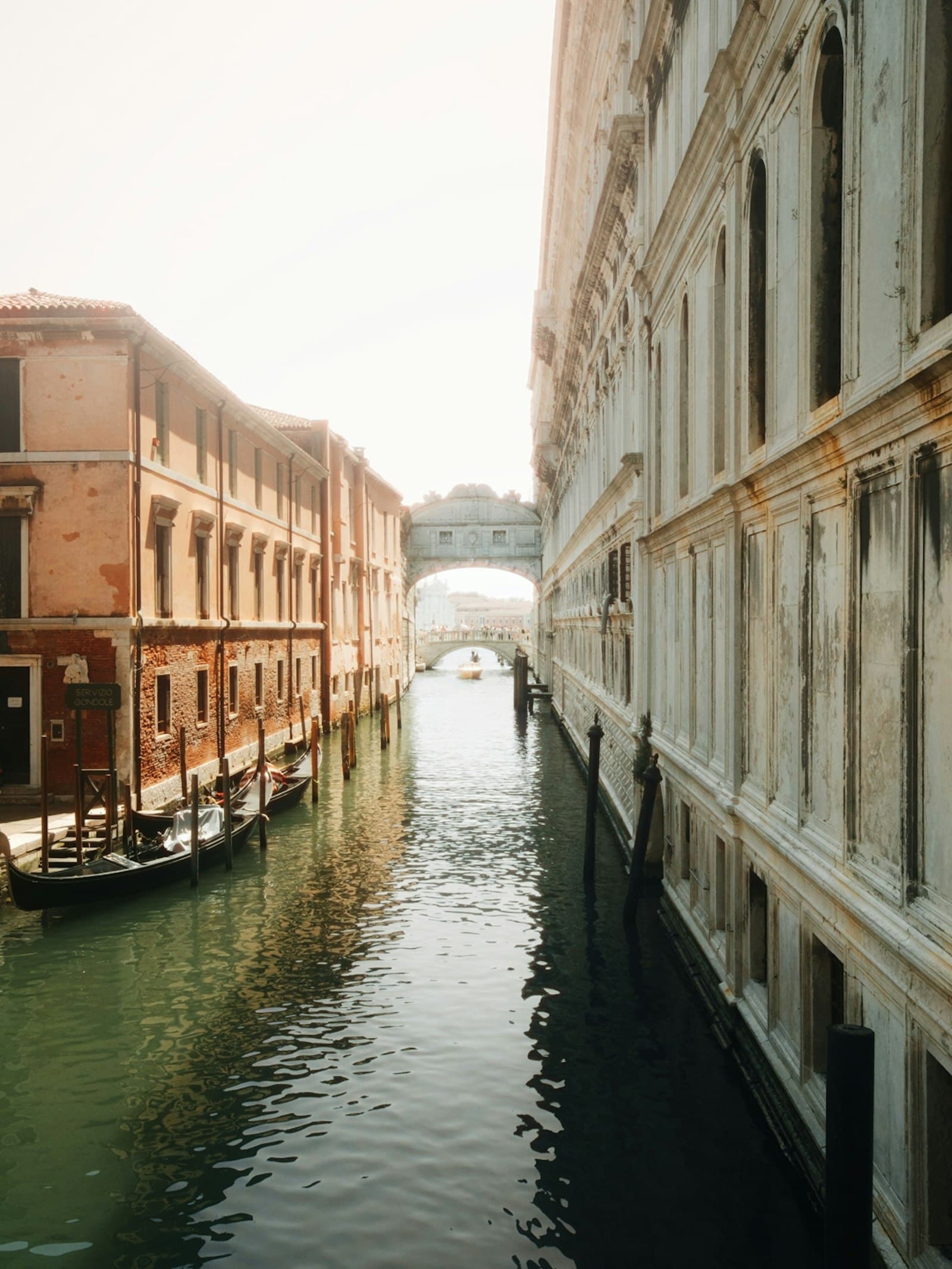
There is no city like Venice, and there never will be again. Built across more than a hundred islands in a lagoon, it has no cars, no roads in the usual sense, and a layout that defeats every map. That is the secret: the best of Venice is found by deliberately getting lost, turning down a narrow calle until the crowds fade and you have a canal, a bridge and the slap of water against stone all to yourself.
Why go
Venice is a living museum of art and architecture, from the Byzantine glitter of St Mark's Basilica to the palazzi lining the Grand Canal. It is also a working lagoon city with a deep food culture, a glass-making tradition on Murano, and a calendar of events from the Biennale art festival to the masks of Carnival. Few places reward slow, aimless wandering quite so richly.
Best time to visit
Spring and autumn are the most comfortable seasons, with mild weather and softer light. Summer is hot, humid and extremely crowded, while winter is quiet and atmospheric but can bring acqua alta, the seasonal high tides that temporarily flood low-lying areas such as St Mark's Square. Carnival, usually in February, is spectacular but books out far in advance. Whenever you come, the early mornings and the hours after the day-trippers leave are when Venice is at its most magical. Note that the city has been trialling an access fee for some peak day-trip dates, so it is worth checking the current rules before you travel.
Top things to see and do
The essential heart
St Mark's Square with its basilica and campanile, the Doge's Palace and the Rialto Bridge over the Grand Canal are the headline sights. Rather than pay for a private gondola straight away, ride the number 1 vaporetto (water bus) along the length of the Grand Canal for one of the great cheap thrills in travel, with palace after palace sliding past.
The quieter sestieri
Cross into Dorsoduro for the Accademia and Peggy Guggenheim collections and a more student, local feel, or explore Cannaregio, home to the historic Jewish Ghetto and some of the city's best neighbourhood bars. These districts are where you find Venice breathing normally.
The lagoon islands
Take a vaporetto out to Murano, famous for centuries of glassmaking, and Burano, with its rows of brilliantly painted fishermen's houses and its lace tradition. A half-day among the islands is a lovely change of pace from the density of the centre.
Practical tips
Getting there and around
Venice Marco Polo airport connects to the city by water bus and water taxi, and trains run right into Venezia Santa Lucia station on the edge of the old city. From there it is boats and your own two feet: there are no cars. Vaporetto travel passes covering a day or several days usually work out far cheaper than single tickets if you plan to ride more than a couple of times.
Budget feel and where to eat
Venice is pricey, especially right around St Mark's. The classic local move is to eat cicchetti, small bar snacks, with a glass of wine at a bacaro, and to walk a few streets back from the main squares for far better value. Staying overnight in the old city is expensive but transforms the trip; the mainland district of Mestre is a cheaper, if less romantic, alternative.
Etiquette and safety
Venice is a fragile, much-loved city, and it asks for respect: do not picnic or sit on monument steps and bridges where it is prohibited, do not feed the pigeons in St Mark's, and keep to the side of narrow alleys so people can pass. It is a very safe city to walk, day or night.
Where to base yourself
Staying in the old city is the dream, with Cannaregio and Dorsoduro offering character at slightly gentler prices than the San Marco core. If budget is tight, Mestre on the mainland is well connected by train and bus.
Plan it with Routepilot
Venice is the definitive short break, and a focused plan helps you find the quiet city behind the crowds.
- Weekend Trip shapes a two or three day visit around your arrival and departure boats, balancing the must-sees with time to wander.
- Local Tips points you to the best bacari for cicchetti and the back-canal corners worth seeking out, all linked so you can check them yourself.
- Travel Budget keeps a famously expensive city honest, and Packing List covers comfortable walking shoes and, in the wetter months, kit for acqua alta.
Every plan names real places, gives honest price ranges and links venues so you can check them yourself, and credits are only ever used at the final Review and Generate step. Browse the full set on the services page, or read more guides in the journal.