The Dolomites, Italy: pale peaks, mountain huts and the perfect alpine summer
Routepilot Team · 30 Jun 2026 · 3 min read
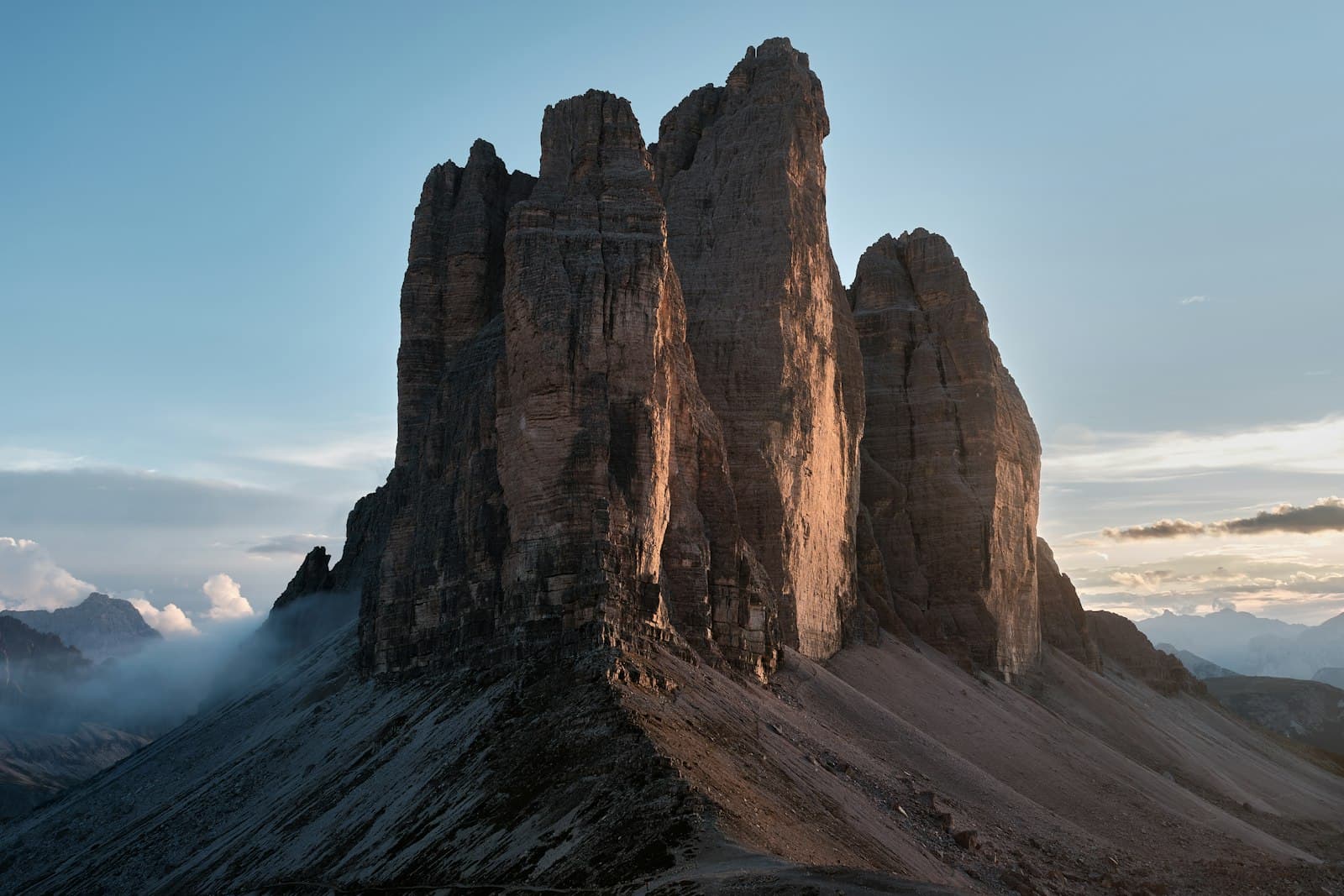
The Dolomites do not look quite real. Their pale limestone towers rise almost vertically from green meadows, glowing rose-pink at sunrise and sunset in a phenomenon the locals call enrosadira. A UNESCO World Heritage Site straddling the Italian regions of the Veneto, Trentino and South Tyrol, this is one of the most beautiful mountain ranges on earth, and one of the most welcoming, thanks to a network of huts that serve espresso and dumplings at altitude.
Why go
The Dolomites offer world-class hiking and via ferrata climbing in summer and superb skiing in winter, all wrapped in a unique blend of Italian and Austrian culture. You can walk for hours between dramatic peaks and still end the day with a plate of fresh pasta and a glass of local wine in a mountain refuge. Even non-hikers are well served, with cable cars lifting you straight into the high country for the views.
Best time to visit
Summer (roughly mid-June to late September) is the prime season for hiking, when the trails are clear of snow and the huts are open. July and August are busiest and warmest; late June and September are quieter, and September can be glorious as the larch forests begin to turn gold. Winter (December to March) transforms the range into a major ski destination, including the linked Dolomiti Superski area. The shoulder months of spring and late autumn can see lifts closed and many huts shut, so check before you plan around them.
Mountain weather changes fast. Start early, watch the afternoon clouds, and treat a clear morning as the gift it is.
Top things to see and do
Tre Cime di Lavaredo
The three great towers of Tre Cime are the symbol of the Dolomites, and the loop trail around their base is one of the most rewarding day walks in the Alps, with huts along the way. It is popular, so an early start pays off in both light and solitude.
Seceda and Val Gardena
The tilted grassy ridge of Seceda, reached by cable car above Ortisei, frames the saw-toothed Odle peaks in one of the range's most photographed panoramas. The surrounding Val Gardena is a classic base, rich in trails and Ladin culture.
Alpe di Siusi and the lakes
Alpe di Siusi is Europe's largest high-alpine meadow, gentle and vast beneath the Sassolungo massif, ideal for easier walks. For the postcard, the emerald waters of Lago di Braies draw photographers at dawn, though it gets very busy later in the day.
Practical tips
Getting there and around
The nearest airports are Venice, Verona, and Innsbruck across the border in Austria. A car is extremely helpful in the Dolomites, since public transport between the valleys is limited and the mountain passes are part of the joy. If you would rather not drive, base yourself in one valley well served by buses and lifts, and plan day trips from there.
Budget feel
The Dolomites are mid-to-higher range. Mountain huts (rifugi) serve surprisingly affordable hearty meals, but cable-car tickets add up quickly, so a multi-day lift pass can be worth it. Accommodation in the prettiest valleys books out early for peak summer and the ski season.
Etiquette and safety
Treat the mountains with respect: carry layers, water and a map, check the forecast, and turn back if the weather closes in. If you want to stay overnight in a rifugio, book ahead, as the popular ones fill up. Via ferrata routes require proper kit and experience or a guide.
Where to base yourself
Cortina d'Ampezzo is the glamorous eastern hub; Ortisei and the Val Gardena sit in the heart of the range with superb lift access; and Bolzano makes a comfortable lower-altitude base with good transport links.
Plan it with Routepilot
A mountain trip lives or dies on preparation: the right gear, a sensible route and a weather plan B.
- Day-by-Day Itinerary sequences your walks and cable-car days realistically, respects your pace, and gives each day a wet-weather backup.
- Packing List is genuinely important here, tailoring layers, boots and sun protection to alpine conditions and your planned activities.
- Travel Budget accounts for lifts, huts and car hire. For a trip that strings together several valleys or combines the Dolomites with other alpine stops, Luxury/Research plans the whole multi-stop route in depth.
Every plan names real places, gives honest price ranges and links venues so you can check them yourself, and credits are only ever used at the final Review and Generate step. Browse the full set on the services page, or read more guides in the journal.